7 Reasons Your Arms Look Different in Every Mirror (It's Not Your Imagination)
Quick Answer: Lighting angle, water retention throughout the day, and mirror distortion (many home mirrors have slight curvature) are three of the biggest reasons arms appear different from mirror to mirror. None of it means your progress isn’t real — it’s mostly optics and normal daily fluctuation.
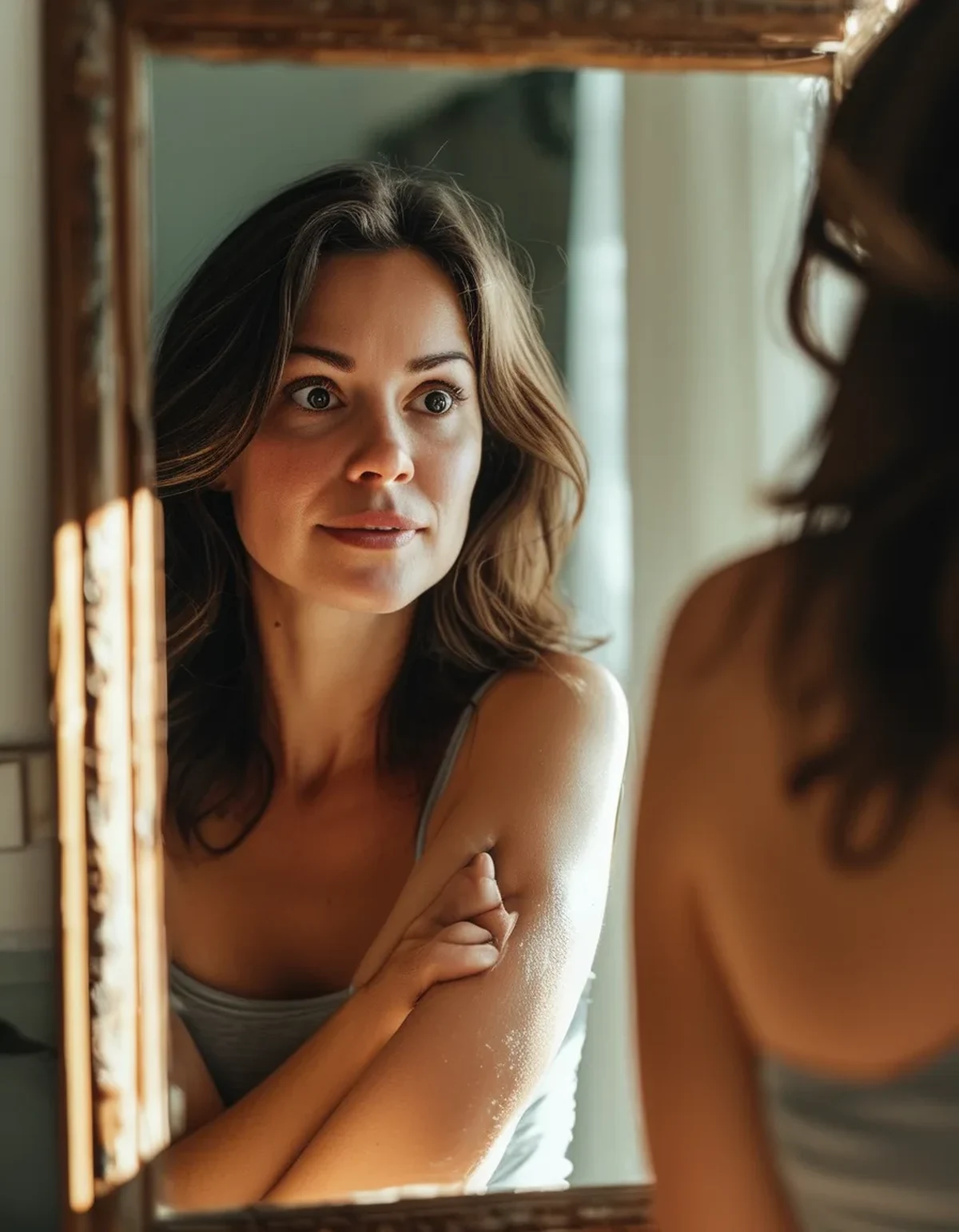
If you’ve caught yourself doing a double-take between your bathroom mirror and a store fitting room mirror, wondering which one is ‘real,’ the answer is neither is lying to you — several genuinely physical factors are at play.
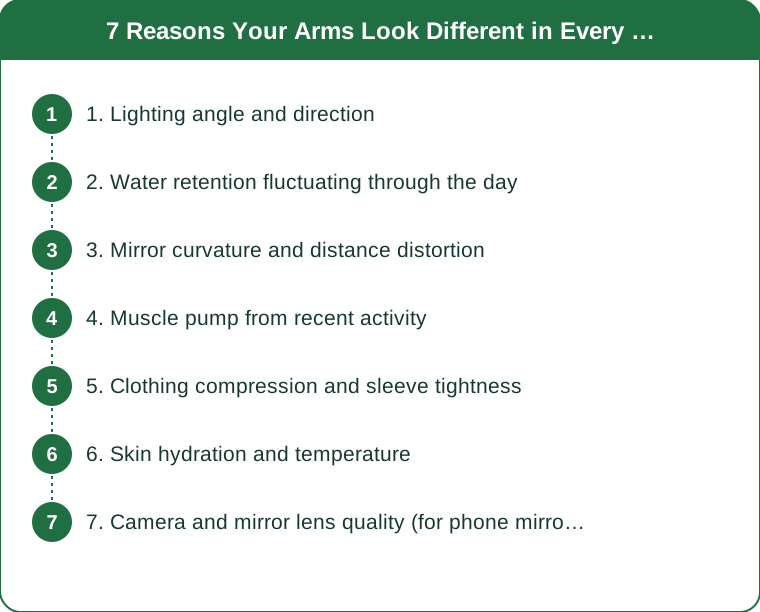
1. Lighting angle and direction
Overhead lighting creates shadows that emphasize muscle definition, while flat, front-facing lighting (common in bathroom vanity setups) can flatten that same definition and make arms look softer. This is the single biggest factor in mirror-to-mirror difference and has nothing to do with actual physical change.
2. Water retention fluctuating through the day
Sodium intake, hormonal cycles, and even how much you’ve been sitting versus moving can shift water retention enough to change visible arm definition by a few percentage points within the same day — morning arms and evening arms are not unusual to look slightly different.
3. Mirror curvature and distance distortion
Many mass-produced mirrors, especially larger ones, have very slight curvature from the manufacturing process, and standing closer versus farther from a mirror changes perceived proportions measurably. A fitting room mirror positioned differently from your bathroom mirror can genuinely distort the same arm differently.

4. Muscle pump from recent activity
If you’ve done any upper body activity in the last hour or two — carrying groceries, a quick workout, even typing a lot — increased blood flow to the muscle (a ‘pump’) can make arms look more defined temporarily. This effect fades within a few hours, which is why arms can look different pre- and post-activity.
5. Clothing compression and sleeve tightness
A slightly tight sleeve can compress and shape the arm in a way that changes its visible outline compared to bare skin, and removing a compression-style top can make the same arm look different within minutes.
6. Skin hydration and temperature
Cold skin tends to look tighter and more defined, while warm, well-hydrated skin can look slightly softer and more relaxed — temperature differences between a cool bathroom and a warm gym locker room can shift the same arm’s appearance.
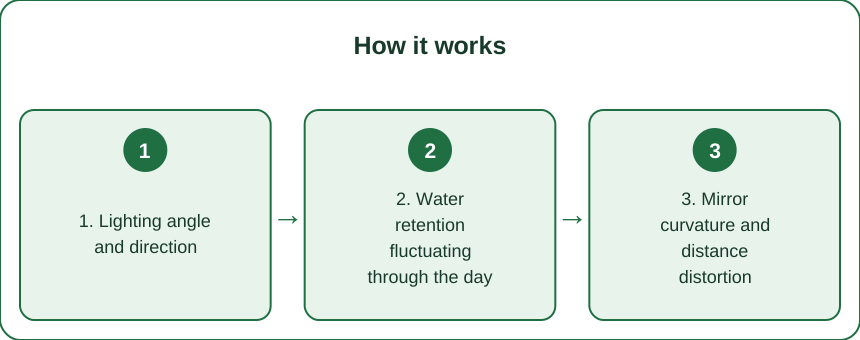
7. Camera and mirror lens quality (for phone mirror selfies specifically)
Front-facing phone cameras often use a wider-angle lens than the eye naturally sees, which can distort proportions, especially at close range — this is different from an actual mirror but frequently gets compared against one, adding to the confusing ‘which one is real’ feeling.
FAQ: Mirror Arm Appearance Questions, Answered
Which mirror is the most accurate for tracking real progress?
A consistent full-length mirror in the same lighting, at the same distance, used at roughly the same time of day, gives the most reliable comparison over time.
Should I trust progress photos more than mirrors?
Progress photos taken under consistent lighting and angle conditions are generally more reliable than casual mirror checks precisely because you control the variables.
Is it normal for arms to look different morning versus evening?
Yes, this is common and mostly related to water retention and activity level throughout the day, not a sign anything is wrong.
TL;DR:
- Lighting angle is the single biggest reason the same arms look different between mirrors
- Water retention, muscle pump, and skin temperature all shift appearance within the same day
- Mirror curvature and phone camera lenses add distortion that has nothing to do with real change
- For consistent tracking, use the same mirror, lighting, and time of day rather than comparing across different mirrors
If you want a reliable read on progress, pick one consistent setup and check less often — daily mirror-hopping mostly just measures lighting, not muscle.
Keep Reading
This article is for general informational and styling purposes only. Fit, sizing, and product availability may vary.